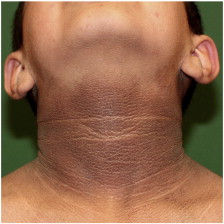
If you have noticed dark, rough, or velvety-looking patches of skin around your neck, armpits, or inner thighs, you may be dealing with pseudo acanthosis nigricans. This condition is increasingly common in Ahmedabad and across India, closely linked to rising rates of insulin resistance, obesity, and hormonal imbalances like PCOS. It is not just a cosmetic issue - the skin changes are often a visible signal that something deeper needs attention.
What Causes Pseudo Acanthosis Nigricans
The term "pseudo" distinguishes this common form from true acanthosis nigricans, which can be associated with internal malignancy (a rare form). The pseudo form, which is what most people have, is driven by insulin resistance - a condition where the body's cells do not respond normally to insulin. Elevated insulin levels circulating in the blood stimulate receptors in the skin, leading to abnormal thickening and darkening of skin in folds and creases.
Insulin resistance is closely linked to obesity, type 2 diabetes risk, PCOS, and metabolic syndrome. As insulin resistance is addressed through weight management, dietary changes, or medication, the skin changes often improve. Hormonal conditions like hypothyroidism can also contribute. Certain medications, including high-dose niacin, corticosteroids, and oral contraceptives, are occasional triggers.
Genetics also influence who develops visible skin darkening. People with South Asian heritage tend to be more predisposed to both insulin resistance and the visible skin manifestations associated with it.
Signs and Symptoms
Pseudo acanthosis nigricans appears as areas of skin that are noticeably darker, thicker, and have a velvety or rough texture compared to surrounding skin. The back of the neck is the most common location, followed by the armpits, groin creases, and skin under the breasts. In some cases, the knuckles, elbows, and knees are also affected.
The patches develop gradually and may be accompanied by skin tags in the same areas. There is usually no pain or itching. The condition tends to worsen as weight or insulin resistance increases and may improve with lifestyle changes that address the metabolic cause.
Our Approach at Lavish Aesthetique Clinic
At Lavish Aesthetique Clinic in Satellite, Ahmedabad, we take a two-pronged approach: addressing the visible skin darkening while also evaluating and guiding you on the underlying metabolic factors. Our doctors assess blood glucose levels, insulin sensitivity, thyroid function, and hormonal markers as part of your workup, and may refer for appropriate medical management or dietary guidance where needed.
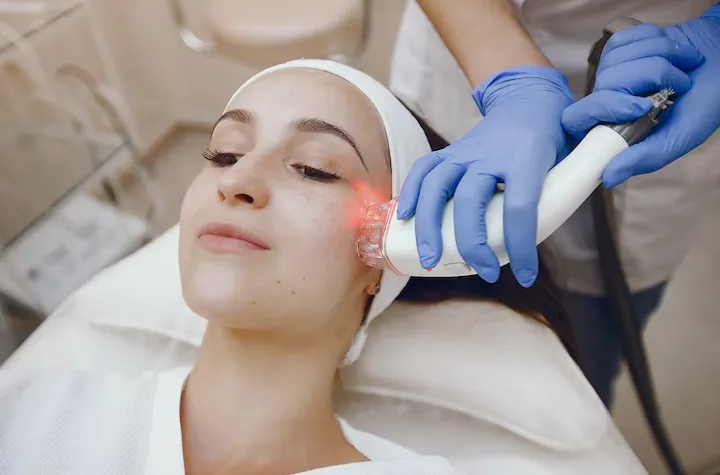
For the skin itself, we offer chemical peels to exfoliate the thickened, darkened skin layers and stimulate cell renewal. Laser toning can reduce pigmentation and improve texture. Medifacials with brightening and keratolytic (skin-softening) actives help treat folds and creases more gently. Prescription topicals used at home in between clinic visits form an important part of the plan. Improvement in the skin tends to be most durable when lifestyle changes addressing insulin resistance are made alongside the cosmetic treatment.
Related Treatments
Frequently Asked Questions
Q: Can dark neck or underarm skin be lightened without treating the underlying cause? A: Cosmetic treatments can lighten and improve the texture of affected skin, but if the underlying cause (such as insulin resistance or hormonal imbalance) is not addressed, the skin darkening typically returns. The most effective and lasting outcomes come from combining skin treatment with metabolic management.
Q: Is pseudo acanthosis nigricans the same as skin tanning? A: No. Unlike tanning caused by sun exposure, pseudo acanthosis nigricans is caused by internal hormonal and metabolic factors. The skin is also thicker and has a different texture to tanned skin. It does not respond to sunscreen or brightening products alone - it requires a more targeted medical and dermatological approach.
Q: How many treatment sessions are needed to see improvement in dark neck skin? A: Most patients see visible improvement after three to six sessions of chemical peels or laser toning, combined with at-home topicals. Progress is faster when lifestyle changes that improve insulin sensitivity are made in parallel. Your doctor at our clinic in Satellite, Ahmedabad will set a realistic timeline based on your assessment.
To find out which treatment is right for you, book a consultation at our clinic in Satellite, Ahmedabad.