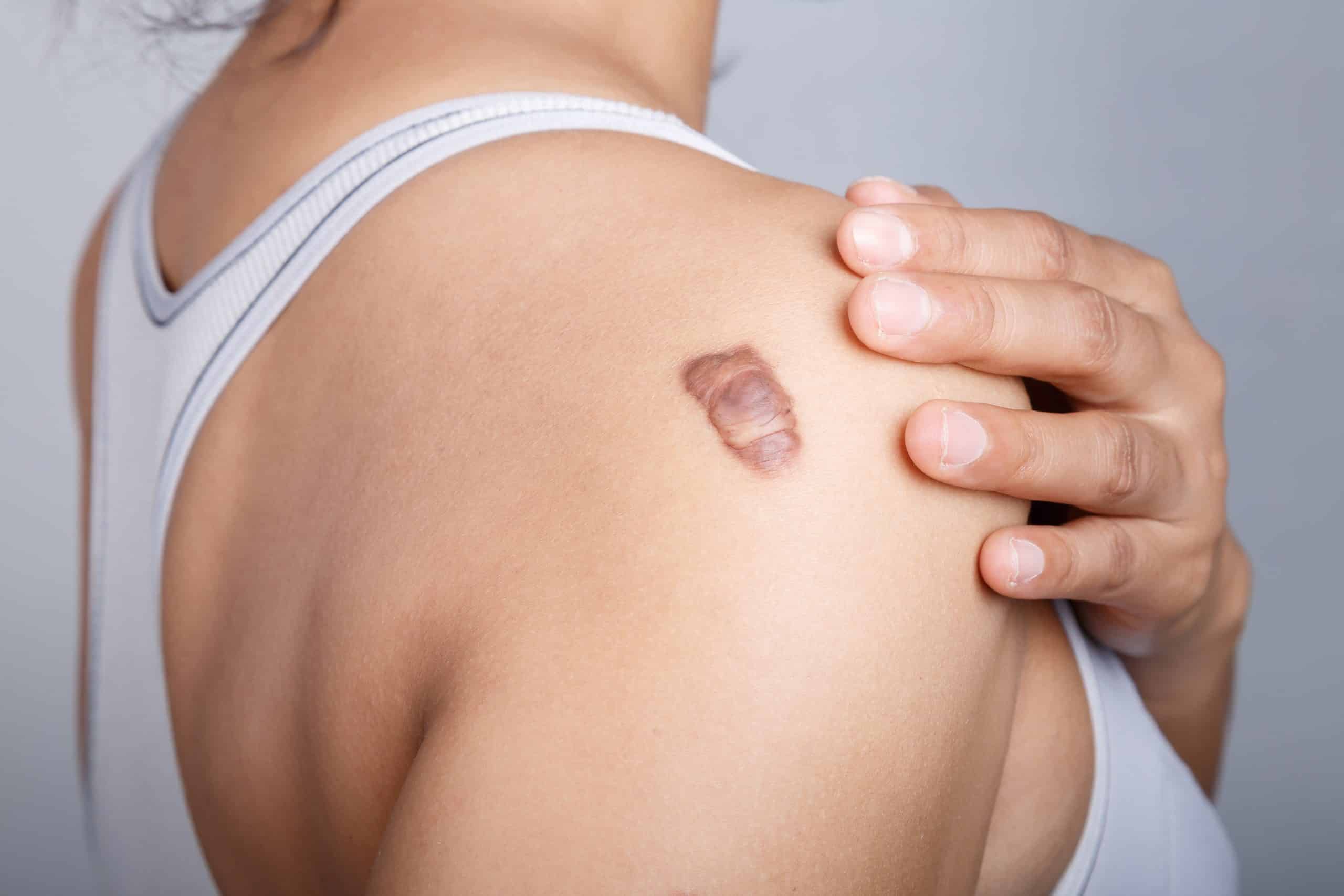
Keloids are a form of abnormal scar tissue that develop when the skin's healing process goes into overdrive, producing far more collagen than needed to repair a wound. Unlike regular scars, keloids extend well beyond the boundaries of the original injury and can continue to grow over time. They are more common in people with darker skin tones, making them a significant concern at skin clinics in Ahmedabad.
What Causes Keloids
Keloids form as an exaggerated response to skin injury. The trigger can be any disruption to the skin's surface: surgical incisions, piercings, acne, burns, chickenpox scars, vaccinations, or even minor scratches. In keloid-prone individuals, the repair process does not switch off at the appropriate time, and collagen continues to be deposited in the wound site long after the original injury has healed.
Genetics play the strongest role in keloid formation. People with a family history of keloids are at significantly higher risk. Dark skin tones - including South Asian, African, and afro-Caribbean skin - are biologically more predisposed to keloid formation than lighter skin types. The earlobes, shoulders, chest, and upper back are the most common body sites where keloids develop.
Hormones may also influence keloid growth. They tend to be more active during puberty and pregnancy, and some people find that established keloids shrink or become less active after these hormonal periods pass.
Signs and Symptoms
Keloids are raised, firm, and often shiny in appearance. They extend past the borders of the original wound and can be much larger than the initial injury site. Colours range from pink to dark brown, often darker than the surrounding skin. Many keloids cause persistent itching, tenderness, or a pulling sensation in the affected skin.
Keloids are distinct from hypertrophic scars, which are also raised but stay within the wound boundary and often improve on their own over time. This distinction matters for treatment planning, as the two types respond differently to various interventions.
Our Approach at Lavish Aesthetique Clinic
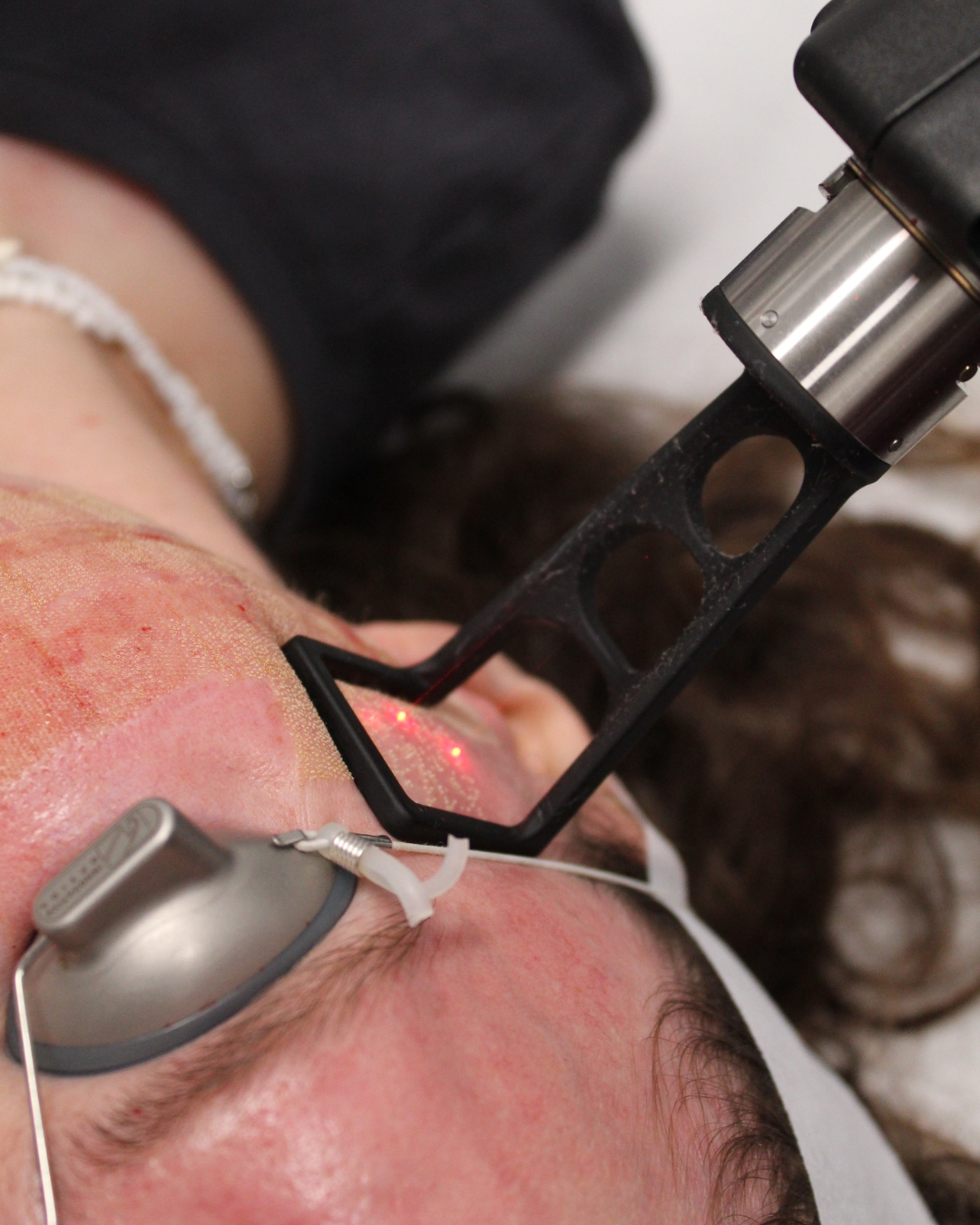
At Lavish Aesthetique Clinic in Satellite, Ahmedabad, our doctors take a multimodal approach to keloid treatment because no single treatment reliably removes keloids on its own. The goal is to flatten, soften, and reduce the scar while minimising the risk of it regrowing.
Treatment options include CO2 laser therapy to precisely resurface and remodel the scar tissue, chemical peels to improve surface texture and pigmentation, cryotherapy and carefully planned excision for selected cases, and sustained pressure or silicone-based therapy to flatten and maintain the scar over time. Most effective results are achieved by combining modalities over a planned series of sessions. After active treatment, measures to prevent recurrence - such as silicone sheeting and sun protection - are recommended. Our doctors will give you a clear, honest expectation of what can be achieved for your specific keloid at our clinic in Satellite, Ahmedabad.
Related Treatments
Frequently Asked Questions
Q: Can keloids be permanently removed? A: Keloids can be significantly flattened and softened with treatment, but they have a tendency to recur, especially if surgery alone is used. Combination approaches that include laser therapy, injections, and preventive measures have much lower recurrence rates. Your doctor will set realistic expectations based on the size, location, and history of your keloid.
Q: Does keloid treatment hurt? A: CO2 laser treatment and cryotherapy are performed with appropriate topical anaesthesia or local cooling to keep discomfort manageable. Most patients find the procedures very tolerable with minimal downtime afterwards.
Q: I have a keloid on my earlobe from a piercing. Can that be treated? A: Earlobe keloids are among the most successfully treated types. A combination of laser therapy and injections can reduce them significantly. Repiercing the same site is not advisable for keloid-prone individuals. Your doctor can advise on whether your earlobe keloid is suitable for treatment and what results to expect.
To find out which treatment is right for you, book a consultation at our clinic in Satellite, Ahmedabad.