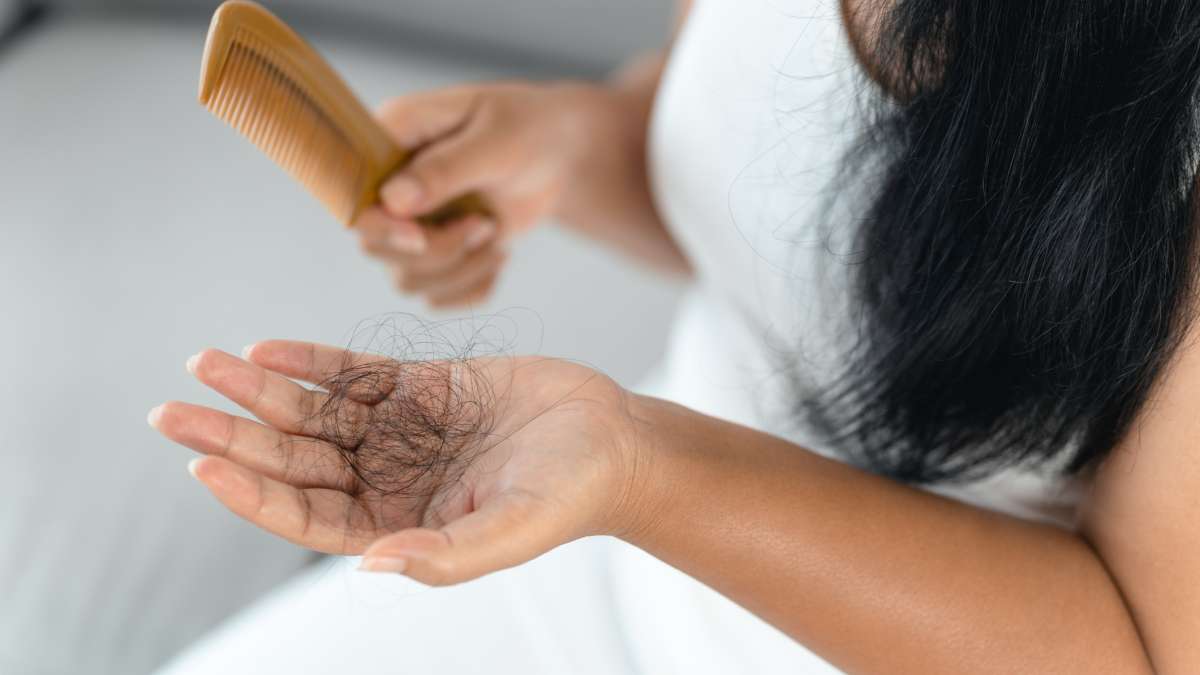
Seeing more hair than usual on your pillow, in the shower drain, or on your comb can be alarming. Some degree of daily hair shedding is entirely normal - on average, people lose between fifty and one hundred hairs a day. But when shedding exceeds this or when you start noticing thinning patches, reduced volume, or a receding hairline, it is time to seek help. Hair fall treatment in Ahmedabad is one of our most in-demand services at Lavish Aesthetique Clinic.
What Causes Hair Fall
Hair fall has a wide range of causes, and identifying the specific driver is the most important step in treatment. The most common cause globally is androgenetic alopecia (genetic pattern hair loss), where a hereditary sensitivity to DHT causes follicles to progressively miniaturise and stop producing full-length hair.
Nutritional deficiencies are a very common and underappreciated cause, particularly in young women. Low iron (ferritin), vitamin D, vitamin B12, and protein can all disrupt the hair growth cycle and cause significant shedding. Thyroid dysfunction - both an overactive and underactive thyroid - is closely linked to hair fall and should always be evaluated. PCOS causes elevated androgen levels that accelerate hair loss in women even before pattern loss would typically appear.
Stress is a powerful trigger. Major physical or emotional stress - including illness, surgery, bereavement, or sustained work pressure - can push large numbers of hair follicles into the resting (telogen) phase simultaneously, causing a surge of shedding two to three months after the stressful event. This is called telogen effluvium and is usually temporary. Crash dieting, recent childbirth, and certain medications are also established causes.
Signs and Symptoms
Hair fall typically presents as an increase in the amount of hair shed daily, noticed on pillows, in the shower, or on combs and brushes. Gradually reducing hair volume and density, particularly at the crown or along the parting in women, is a common presentation of pattern hair loss. Receding at the temples or frontal hairline is more typical in men. Patchy, smooth areas of baldness suggest alopecia areata rather than diffuse hair fall.
The scalp itself may itch or feel tight in some cases of hair fall, particularly when related to scalp health issues like seborrheic dermatitis. Brittle or breaking hair that snaps rather than shedding from the root points to a different problem - hair shaft damage rather than true hair fall.
Our Approach at Lavish Aesthetique Clinic
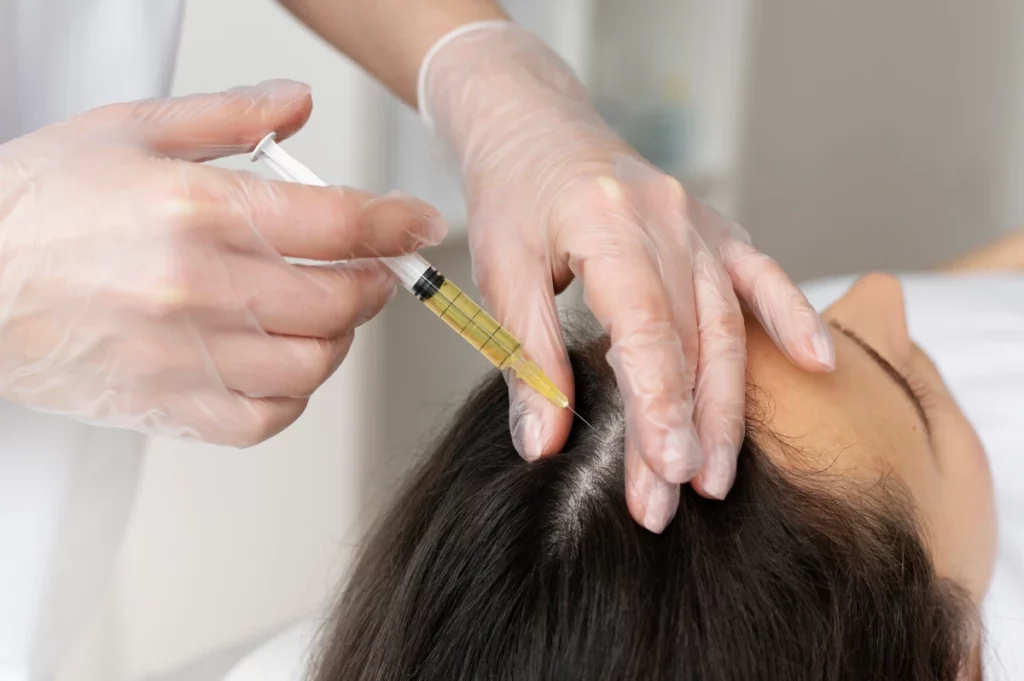
Providing the best hair loss treatment in Ahmedabad starts with an accurate diagnosis. At Lavish Aesthetique Clinic in Satellite, Ahmedabad, our doctors begin every hair fall consultation with a detailed history, trichoscopy (magnified scalp assessment), and targeted blood tests to rule out nutritional, hormonal, and thyroid causes.
Treatment is personalised based on findings. Nutritional deficiencies are corrected with appropriate supplementation. Hormonal causes are managed medically. For pattern hair loss and for cases where follicle stimulation is needed, we offer PRP (platelet-rich plasma) therapy, GFC (growth factor concentrate), and PRF (platelet-rich fibrin) - all advanced regenerative treatments that use concentrated growth factors from your own blood to reinvigorate dormant or weakening follicles. Our hairfall-specific treatment programme is designed for patients who need a structured, supervised approach to recovery.
Related Treatments
Frequently Asked Questions
Q: How much hair fall per day is considered normal? A: Losing up to one hundred hairs per day is within the normal range. If you are consistently shedding more than this, notice visible thinning, or are finding significant amounts of hair on your pillow, brush, or in the shower, it is worth getting a professional assessment.
Q: Can nutritional deficiencies cause severe hair fall? A: Yes. Low ferritin (stored iron) is particularly linked to significant diffuse hair loss in women, even when haemoglobin levels are normal. Deficiencies in vitamin D, B12, and protein can also cause notable shedding. These deficiencies are common in the Indian population and are highly treatable once identified.
Q: How long does it take to see results from hair fall treatment? A: The hair growth cycle means results are never immediate. Most patients notice reduced shedding within six to eight weeks of starting treatment, and meaningful regrowth becomes visible after three to four months. A full course of regenerative treatment over six months gives the most comprehensive results.
To find out which treatment is right for you, book a consultation at our clinic in Satellite, Ahmedabad.