Fungal skin infections are surprisingly common in Ahmedabad's warm and humid climate, which creates ideal conditions for fungi to thrive on the skin. They can affect any part of the body and often cause discolouration, itching, scaling, or rashes that are persistent and frustrating to manage without proper medical guidance. Many people try over-the-counter antifungal creams without success simply because they are using the wrong product for the wrong type of infection.
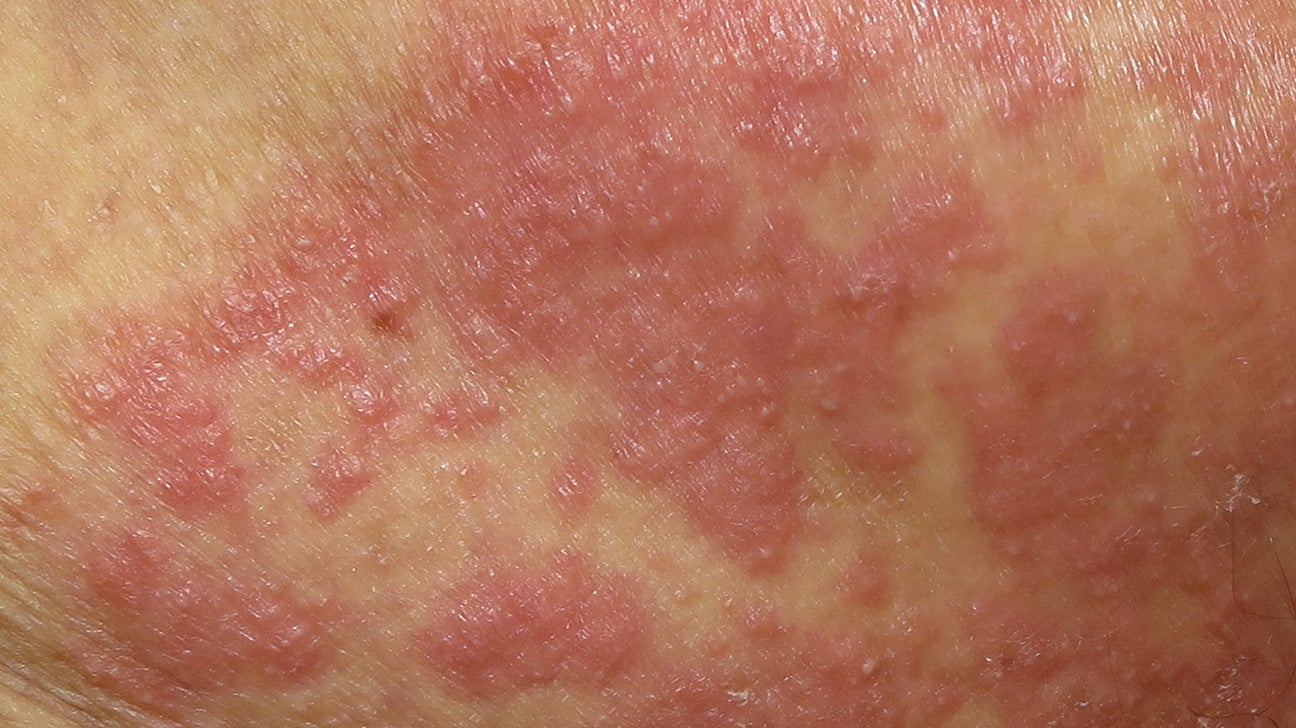
What Causes Fungal Skin Infections
Fungi are naturally present on human skin in small numbers without causing harm. Problems arise when the balance is disrupted and certain fungi overgrow. The most common fungal organisms affecting skin include dermatophytes (which cause ringworm, athlete's foot, and nail infections), Malassezia (responsible for tinea versicolor and some forms of dandruff), and candida (which causes yeast infections in skin folds).
Several factors promote fungal overgrowth. Excessive sweating and humidity keep the skin moist, creating a favourable environment for fungi. Tight, non-breathable clothing traps heat and moisture. A compromised immune system, whether from illness, prolonged stress, or certain medications like steroids and antibiotics, allows fungi to proliferate more easily. Shared spaces like gyms, swimming pools, and changing rooms are common sources of transmission for dermatophyte infections.
People with diabetes are particularly prone to fungal skin infections due to elevated blood sugar levels, which feed fungal growth and impair the skin's natural defences.
Signs and Symptoms
Tinea versicolor presents as patches of skin that are lighter or darker than the surrounding area, most often on the chest, back, and shoulders. The patches may be slightly scaly and tend to be more visible after sun exposure. Ringworm (tinea corporis) appears as circular, red, scaly patches with a clearer centre, giving the ring-like appearance that gave it its name. Fungal infections in body folds - the groin (tinea cruris), armpits, and under the breasts - cause red, itchy, and sometimes raw patches of skin.
Nail fungal infections cause nails to become thickened, yellow, brittle, or discoloured. Scalp involvement (tinea capitis) can cause patchy hair loss, scaling, and itching.
Our Approach at Lavish Aesthetique Clinic
At Lavish Aesthetique Clinic in Satellite, Ahmedabad, we begin with a clear diagnosis - because not every rash or skin patch is fungal in origin. Misdiagnosis is one of the main reasons fungal infections drag on without improvement. Our doctors use clinical examination and, where needed, skin scraping and microscopy to confirm the presence of fungi before prescribing treatment.
Treatment is tailored to the type and severity of the infection. Superficial infections are managed with medical-grade topical antifungal preparations, and in more resistant or widespread cases, oral antifungal medication is prescribed. Medifacials using appropriate formulations may be incorporated to calm irritated skin and support the skin barrier during recovery. Guidance on hygiene, clothing choices, and skincare adjustments is always provided to prevent recurrence in our Satellite, Ahmedabad clinic.
Related Treatments
Frequently Asked Questions
Q: How long does it take for a fungal skin infection to clear with treatment? A: Most superficial fungal infections clear within two to four weeks of consistent topical treatment. More severe or widespread infections, nail fungus, or scalp infections may require six weeks to several months of oral antifungal therapy. It is important to complete the full course of treatment even if the skin looks clear sooner, to prevent relapse.
Q: Why do fungal infections keep coming back even after treatment? A: Recurrence usually happens because treatment was stopped too early, the underlying cause (such as excessive sweating or a compromised immune system) was not addressed, or re-exposure to the fungus occurred. Our doctors at Lavish Aesthetique Clinic help identify and address the factors driving recurrence to break the cycle.
Q: Are fungal skin infections contagious? A: Dermatophyte infections like ringworm and tinea pedis (athlete's foot) can spread through direct skin contact or through shared surfaces like towels, shoes, and gym equipment. Tinea versicolor and candidal infections are not contagious in the typical sense. Treating active infections promptly and avoiding sharing personal items helps prevent spread.
To find out which treatment is right for you, book a consultation at our clinic in Satellite, Ahmedabad.