Dandruff is one of the most common scalp concerns in Ahmedabad. While it rarely causes any serious health problems, the persistent flaking, itching, and scalp irritation it causes can be uncomfortable and embarrassing. When dandruff is more severe and accompanied by redness, greasy scales, and skin involvement beyond the scalp, the condition may actually be seborrheic dermatitis - a related but more pronounced inflammatory form that requires medical management.
What Causes Dandruff and Seborrheic Dermatitis
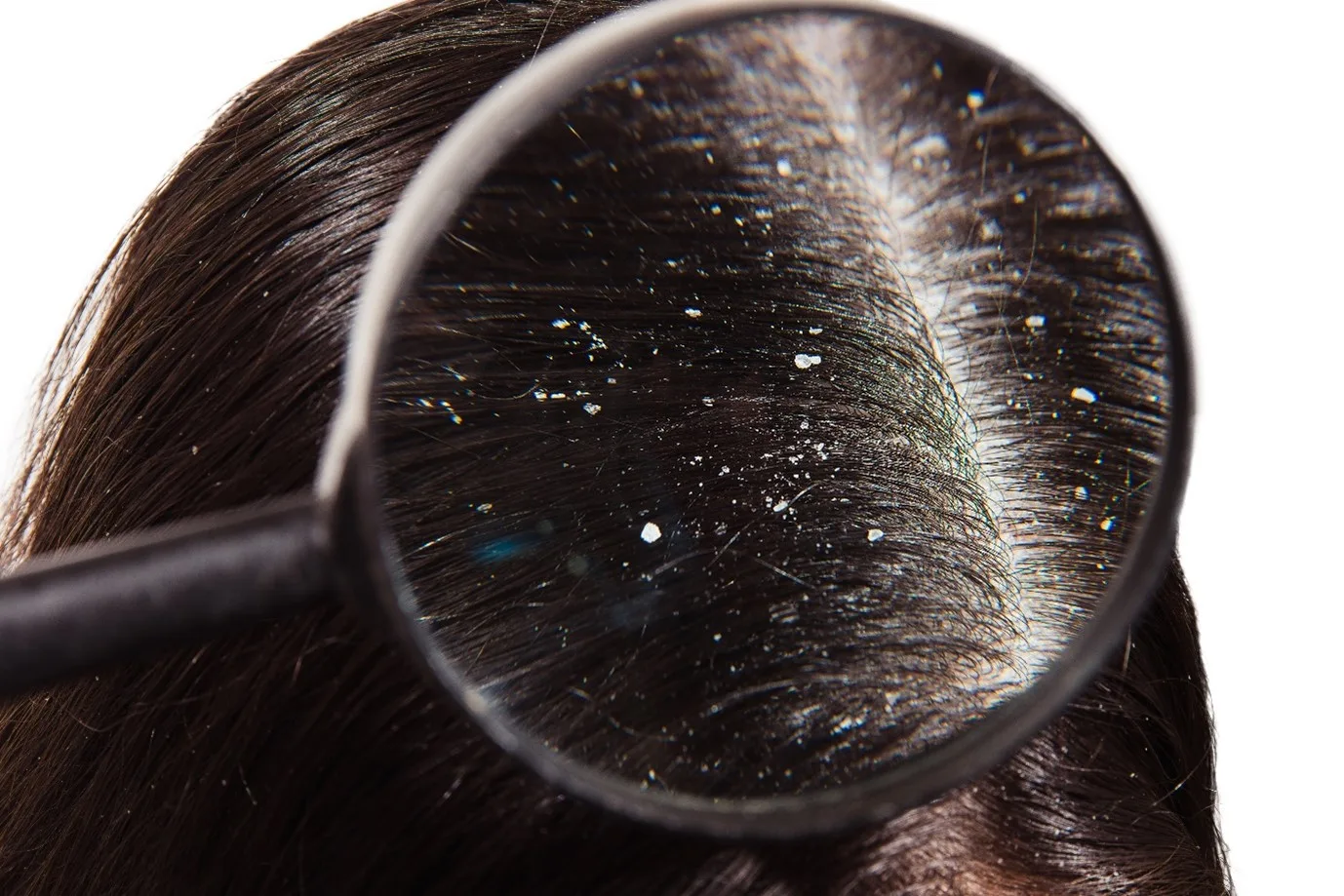
Dandruff and seborrheic dermatitis are both associated with the overgrowth of a naturally occurring yeast called Malassezia on the scalp. This yeast lives on everyone's skin but in people who are susceptible, it triggers an inflammatory response that speeds up the skin cell turnover cycle. The result is an excessive shedding of dead skin cells, which appear as the white or yellowish flakes characteristic of dandruff.
Several factors increase susceptibility to this overgrowth. Excess oil production provides the yeast with a rich food source. Hormonal changes during puberty, pregnancy, and periods of stress influence sebum production. People with conditions affecting the immune system - including HIV, Parkinson's disease, and certain medications - are particularly prone to severe seborrheic dermatitis. Genetic factors determine who is most reactive to Malassezia's presence on the scalp.
Environmental triggers like cold, dry weather or conversely very humid conditions can worsen flares. Infrequent shampooing allows oil and dead skin cells to accumulate. Harsh hair products can disrupt the scalp's natural balance and aggravate the condition.
Signs and Symptoms
Classic dandruff presents as white or light-coloured flakes shed from the scalp into the hair and onto clothing, accompanied by an itchy scalp. The scalp may feel dry or greasy depending on the individual's skin type.
Seborrheic dermatitis involves more prominent inflammation. The scalp may appear red and covered in thick, yellowish-white, greasy scales. In addition to the scalp, it can affect the face - particularly the eyebrows, sides of the nose, the area behind the ears, and the chest. The eyelid margins may also be affected, causing a condition called seborrheic blepharitis. Flares tend to worsen with stress, illness, and seasonal changes.
Our Approach at Lavish Aesthetique Clinic
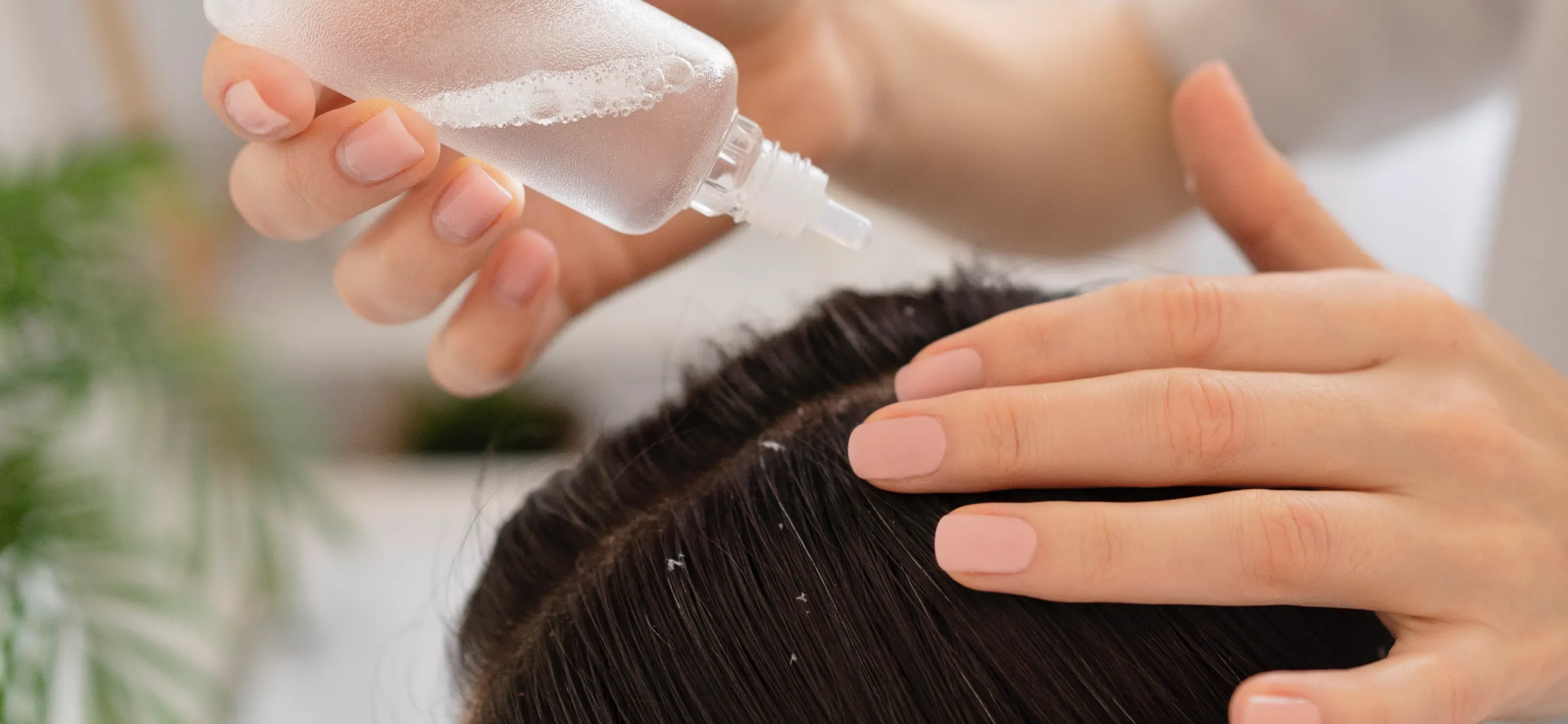
At Lavish Aesthetique Clinic in Satellite, Ahmedabad, our doctors assess the type and severity of your scalp condition before recommending treatment. Mild dandruff responds to targeted antifungal and sebum-regulating scalp care, while seborrheic dermatitis requires a more structured medical approach to bring the inflammation under control and prevent recurrence.
We prescribe medical-grade antifungal shampoos and scalp treatments alongside appropriate topical anti-inflammatory agents for more severe presentations. Our treatment plans are adapted based on your scalp's response, and we provide guidance on long-term scalp health maintenance to reduce the frequency and severity of future flares. For patients whose hair fall has been worsened by a chronically inflamed scalp, addressing the underlying scalp condition is the essential first step before any hair growth treatment can be effective.
Related Treatments
Frequently Asked Questions
Q: Is dandruff caused by poor hygiene or dirty hair? A: No. Dandruff is not a cleanliness issue - it is driven by a biological response to naturally occurring yeast on the scalp. In fact, very frequent washing with harsh shampoos can strip the scalp of its natural oils and sometimes worsen flaking. The right treatment uses specific medical-grade formulations, not simply more frequent shampooing.
Q: Can dandruff cause hair loss? A: Dandruff itself does not directly destroy hair follicles, but severe scalp inflammation and persistent scratching can damage follicles over time and contribute to temporary hair shedding. Addressing the scalp condition promptly protects the health of the follicles and supports better hair growth long-term.
Q: Will dandruff treatment cure the condition permanently? A: Seborrheic dermatitis and recurrent dandruff are chronic conditions that tend to flare and remit. They can be brought under very good long-term control with appropriate treatment and scalp maintenance. Our doctors at our clinic in Satellite, Ahmedabad help you develop a routine that keeps flares manageable and infrequent.
To find out which treatment is right for you, book a consultation at our clinic in Satellite, Ahmedabad.